How Can Actors Protect Themselves in the Age of AI?
As many industries face the entry of artificial intelligence, actors are also presented with a unique problem — be replaced or adapt.
By: TMA Team | Nov 9, 2026 08:11 PM
Photo by @zachmmalin
K E Y T A K E A W A Y S
The use of AI technology in the acting industry appears to be growing and the question of how actors should protect themselves is at the forefront of their minds.
The way to think about setting yourself apart from these machine technologies is looking for ways that our humanness can’t be replicated, such as live performance and cultivating in your personal perspectives.
Actors must stay flexible in a ever-changing industry but remain vigilant when engaging with projects that involve AI.
I A M N O T G O I N G to pretend I have a clean answer for what AI means for this industry long term. Nobody does, not honestly. The technology is moving faster than the contracts, the unions, or the ethics conversations can keep up with, and I think anyone promising you certainty right now is selling something.
Here’s what I do know. We can’t control what companies are doing with AI. We can’t control how studios, apps, or individual productions decide to use it, or how fast that usage scales. That part is out of our hands, and I think the sooner actors accept that, the less energy gets wasted fighting a current that isn’t slowing down anytime soon.
Read More: What's Actually In Your Control: The Actor's 90%
What we can control is how we position ourselves inside all of this uncertainty. That’s what I want to talk about today. Not whether AI is good or bad for the industry, that conversation will run for years and I don’t think either side wins it cleanly. Instead, here are four real things you can do right now to make yourself harder to replace and more protected as this all shakes out.
1. There’s a case for doing more theatre right now.
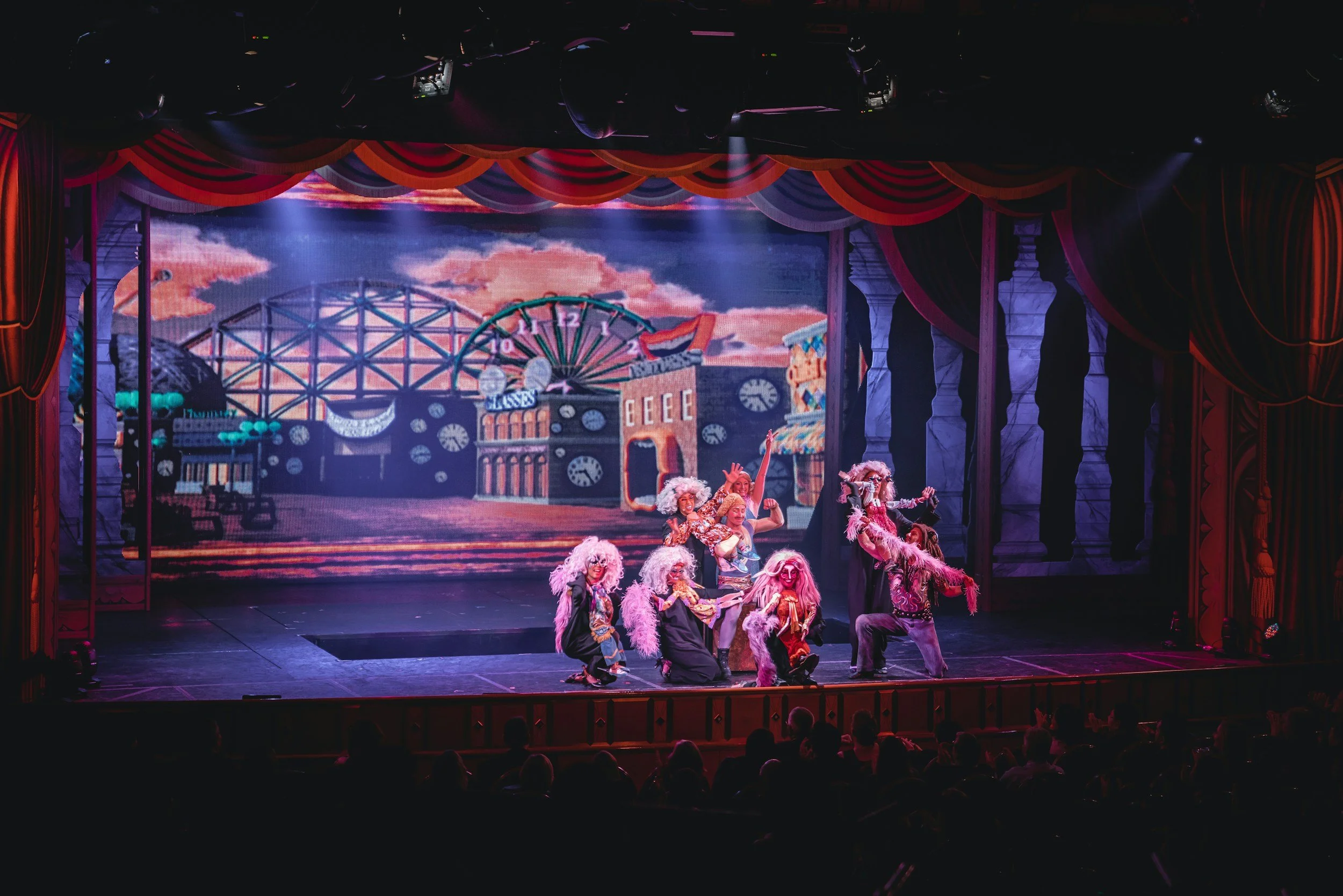
Photo by @yiranding
Live performance is the one thing AI cannot touch, not really, not yet, maybe not ever. A machine can generate a face. It can generate a voice. It can stitch together a performance from thousands of data points and make it look convincing on a screen. What it cannot do is stand on a stage in front of a live audience and hold a room for two hours, adjusting in real time to energy that shifts night to night.
I think theatre is about to become more valuable, not less, precisely because it’s the format most resistant to being replicated artificially. It’s also where craft gets built in the most honest way possible. No retakes, no editing room to save you, just you and the work in real time. If you have access to theatre right now, local, regional, whatever you can get into, I’d take it seriously. Not just as a career move, but as a form of protection. The skills you build there are the ones AI can’t fake, and the credits you build there are the ones that remind casting you’re a real, trained, working actor and not just a face that could theoretically be generated.
Learn More: Feeling Empty? How to Find The Joy To Audition (And Yourself) Again
2. Buy your domain name. Own your website and your profiles.
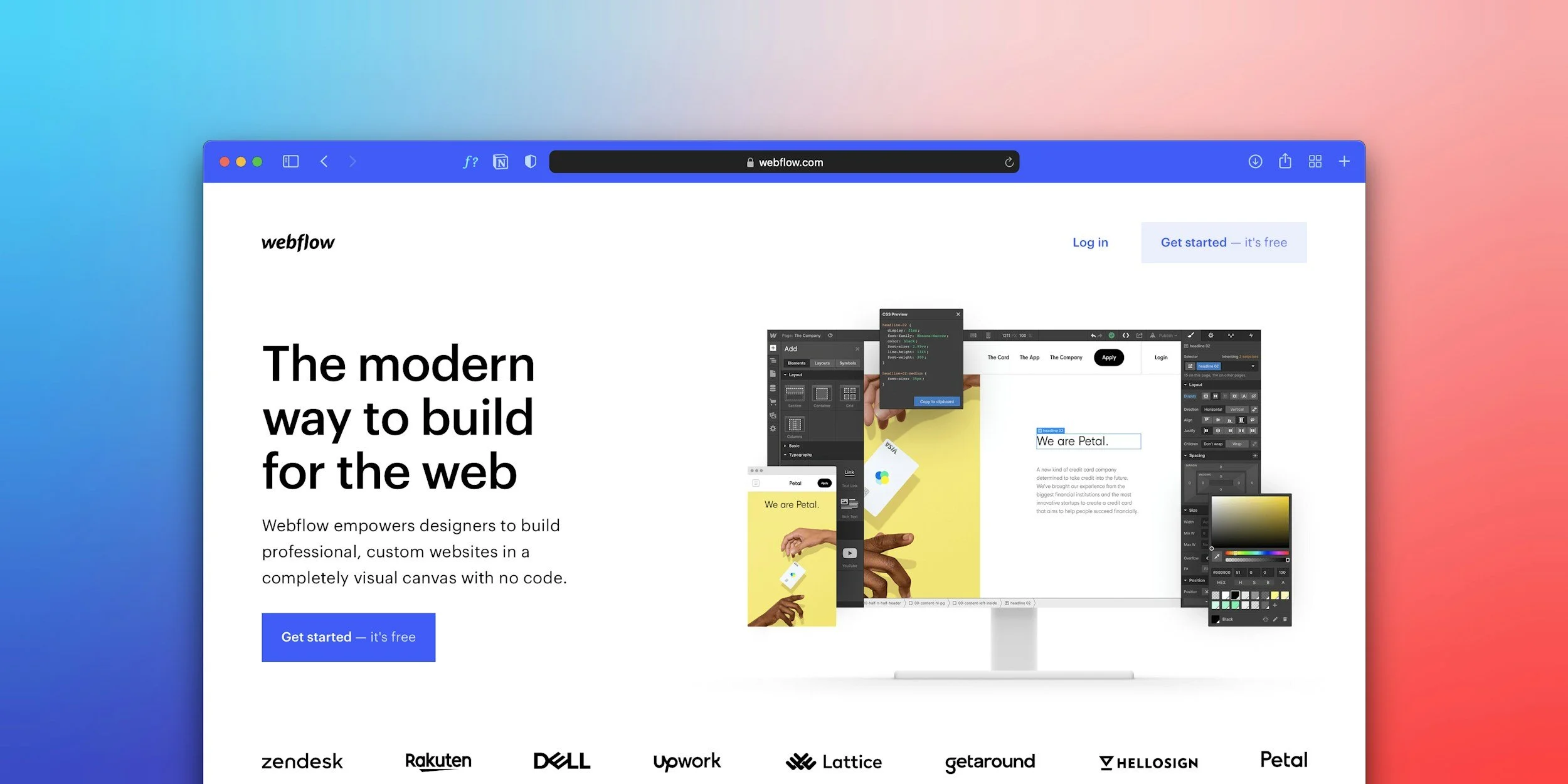
Photo by @teamnocoloco
This one feels almost too simple to say out loud, but I don’t think actors take it seriously enough. Go buy your own name as a domain, right now, today, if you haven’t already. Build a simple website that’s actually yours, that you control, that doesn’t live or die based on an algorithm change or a platform’s shifting rules.
In a world where AI can generate convincing likenesses, having a verified, owned, consistent presence across your website and your platforms isn’t just good marketing anymore. It’s a form of identity protection. It’s proof of who you actually are, controlled by you, not scattered across platforms you don’t own and can’t fully protect. Secure your handles everywhere, even platforms you’re not using yet. Lock your name down before someone else does, or before it gets harder to prove which version of you online is the real one. This is boring, unglamorous advice, and it’s exactly the kind of thing that pays off quietly for years if you do it now instead of putting it off.
3. Be more selective on AI heavy projects. Read the fine print.

Photo by @soujest
Not every opportunity that uses AI is a red flag, and I don’t want to paint this with too broad a brush. But I do think actors need to slow down and actually read what they’re agreeing to before jumping into AI heavy projects or apps, especially the ones promising exposure, easy money, or a fast way to build a reel.
Fundamentals: 8 Acting Scams To Watch For
Ask what’s actually happening with your likeness, your voice, your performance once it’s in their system. Ask how long they retain the rights to use it, and in what context. Ask whether there’s a buyout clause, a usage window, anything that protects you from your work being used indefinitely in ways you never agreed to. If something feels vague or rushed, that’s information too. A legitimate production should be able to answer these questions clearly, without making you feel difficult for asking them.
Don’t spread yourself thin signing up for every AI heavy app or platform just because it’s new and buzzy. I understand the temptation. Everything feels urgent right now, like missing one app or one platform means missing your shot. But chasing every shiny new tool usually means mediocre output across ten things instead of strong, intentional work across two or three. Slow down. Vet it the way you’d vet any production or representation. Your name and your likeness are worth more than a fast yes. Being selective here isn’t about being anti-technology. It’s about being someone who reads contracts carefully, which, frankly, every actor should be doing regardless of AI. This moment is just making that habit more urgent than ever.
4. Keep investing in yourself. Become irreplaceable.

Photo by @priscilladupreez
This is the one that matters most, and it’s the one within your control every single day. Acting. Skills. Your creative viewpoint. The specific, human, lived-in choices only you can bring to a role. AI can mimic a lot of things, but it cannot replicate a genuine point of view built from your actual life, your actual training, your actual instincts in the room.
Keep training. Keep sharpening your craft. Keep developing the things that make you specifically valuable, not generically replaceable. Learn new skills, pick up a dialect, get stronger on camera, get stronger on stage, get clearer on what makes your work yours. Read more. Watch more. Figure out what you actually have to say as an artist, not just what roles you’re hoping to book.
The actors who get through this uncertain moment well aren’t going to be the ones who panicked or the ones who ignored it completely. They’re not going to be the ones who spent all their energy arguing online about whether AI is good or bad for the business. They’re going to be the ones who kept building, quietly and consistently, while everyone else got stuck in the noise. Irreplaceable isn’t a status you get once and keep forever. It’s something you maintain, year after year, through the work you keep doing when nobody’s watching.
Learn More: Biggest Problems With Acting, And How You Can Fix Them
Here’s what I think matters most.
We are in a genuinely uncertain moment, and I’m not going to pretend otherwise just to make this article feel more comforting than it should. But uncertainty isn’t the same as powerlessness. You can’t control what companies do with this technology. You can’t control how fast it moves or where the industry lands on it in five years. What you can control is whether you show up positioned well. Whether you own your own name and your own presence online. Whether you’re selective and informed instead of desperate and reactive. Whether you keep investing in the parts of your craft that no machine can touch.
Protect what’s yours. Keep building what makes you irreplaceable. The rest, we figure out together as it comes.
Get Started With Us!
Looking for an acting class this year? Want to level up in your acting career once and for all?
Take our free acting quiz below and find out your acting level.
